One of the strongest weapons at a brand’s disposal in a world where there are more chances than ever for them to stand out is individuality. It may seem paradoxical that certain businesses would purposefully choose a visual style that is more similar to others in their industry than not. Still, in recent years, the business world has become more and more homogenised in its approach to branding.
This blog looks at ‘Blanding’ to answer the question, ‘Is original branding a dying art?’
What is Blanding?
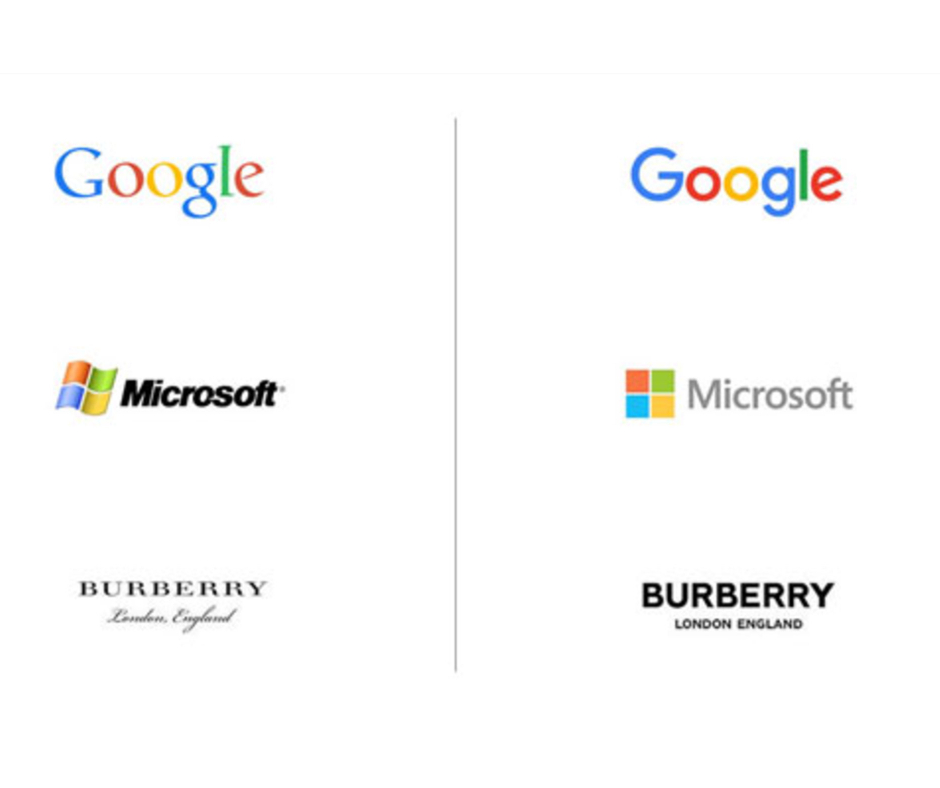
The term ‘blanding’ in design describes the growing standardisation of visual styles throughout many companies and sectors. ‘Blanding,’ one of the key design fads of the 2010s, swiftly came to represent big tech and startup culture. As a result, many companies embraced it, wanting to project a consistently contemporary image on various digital channels. Designers have embraced the comeback of the serif typeface and abandoned the now-familiar Corporate Memphis illustration style in favour of branding with more “personality” in response to the blanding reaction in recent times.
Characteristics of Blanding
Minimalism – To convey a sense of refinement and simplicity, clean lines, sans-serif typefaces, and subdued colour schemes are highly valued.
Neutrality – To create a safe and aesthetically pleasing design, designers frequently avoid emotional expression or cultural allusions.
Sameness – Many brands have the same appearance and offer little to differentiate them from rivals.
Examples of Blanding in Design
Tech startups: Many tech companies, especially those in the direct-to-consumer market, have embraced a similar minimalist style that features sans-serif typefaces and subdued colours.
Social media: Branding has significantly been impacted by the visual language of social media sites like Pinterest and Instagram, which strongly focus on bright colours, simple layouts, and lifestyle photos.
Packaging: Simple logos and subdued hues now adorn many shelves in the trend of minimalist packaging design.
Issues With Blanding
Lack of memorability – Customers find it difficult to recall a certain brand when they all have the same appearance.
Lack of distinction – Blanding makes it challenging for brands to articulate their special selling point and set themselves apart from rivals.
Emotional disconnection – Blanding can give off an air of sterility and coldness, which makes it challenging for brands to connect with customers emotionally.
How to Avoid Being Bland
What distinguishes your brand? What is your mission, and what are your values? Using design, tell your message in a style that appeals to your intended audience. Don’t be scared to arouse feelings in your target audience through colour, imagery, and other design aspects.
Don’t just follow trends; be genuine. Stay loyal to your brand identity while producing something wholly original. By adhering to these guidelines and rejecting blandness, brands may create impactful and lasting designs.
Stylistic Design are experts in website design and brand development for businesses of all sizes. Visit our website or contact our friendly team for more information.